





Palliative Care in Care Homes – How to Deliver Person-Centred Support
If you manage or work in a care home, you already understand how important high-quality care is for the people you support. Many people living in your care home are adults with complex or long-term health conditions, and over time, some will require palliative and end-of-life care.
Providing safe, compassionate, and person-centred care during this stage of life is not only essential; it is a fundamental part of delivering high-quality care in any care home setting. Ensuring your team has the right palliative care training and up-to-date knowledge is key to supporting people with dignity, respect, and comfort.
What is Palliative Care?
Palliative care is specialised care and support for people living with serious or life-limiting illness. Its focus is on improving quality of life, rather than curing illness, and it can be provided alongside ongoing treatment.
Although they are closely linked, palliative care and end-of-life care are not the same thing.
- Palliative care can begin at diagnosis and continue for months or years
- End of life care usually refers to the final year of life, particularly the last months, weeks or days
People may receive palliative care in a care home, their own home, a hospice, or a hospital, depending on their needs and preferences.
Palliative care takes a holistic, person-centred approach, supporting:
Physical needs, including pain and symptom management
Emotional and psychological wellbeing
Social needs, relationships, and connection
Spiritual, cultural, or religious preferences
This approach reflects current UK best practice, including guidance from CQC, Skills for Care, and the Gold Standards Framework.
Why Palliative Care is Essential in Care Homes
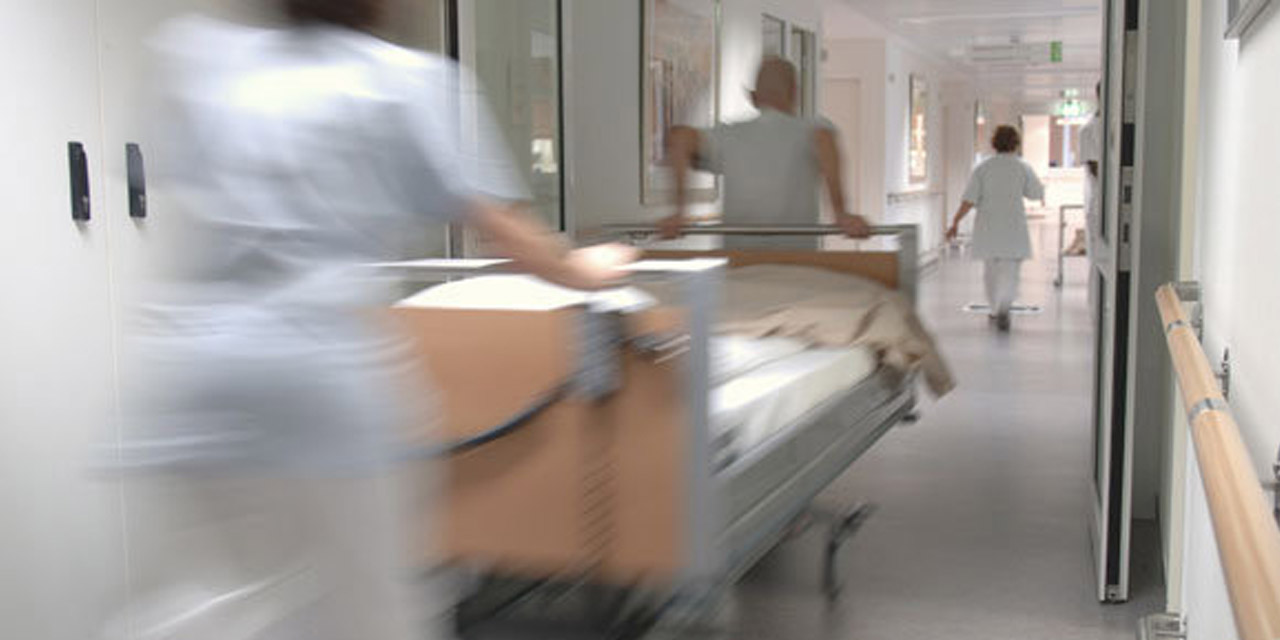
Care homes play a vital role in delivering palliative and end-of-life care for people living with life-limiting conditions. Many people living in care homes will remain there throughout the later stages of their life, making it essential that staff feel confident in providing this level of care.
Even when external professionals such as specialist nurses, GPs, or hospice teams are involved, your team provides the consistent, day-to-day care and support that will make the biggest difference to their wellbeing.
High-quality palliative care in care homes helps to ensure that:
People are comfortable, dignified, and free from avoidable pain or distress
Care is person-centred, reflecting individual wishes, values, and preferences
Families and those important to the person feel informed, supported, and reassured
Staff feel confident when supporting complex and sensitive needs
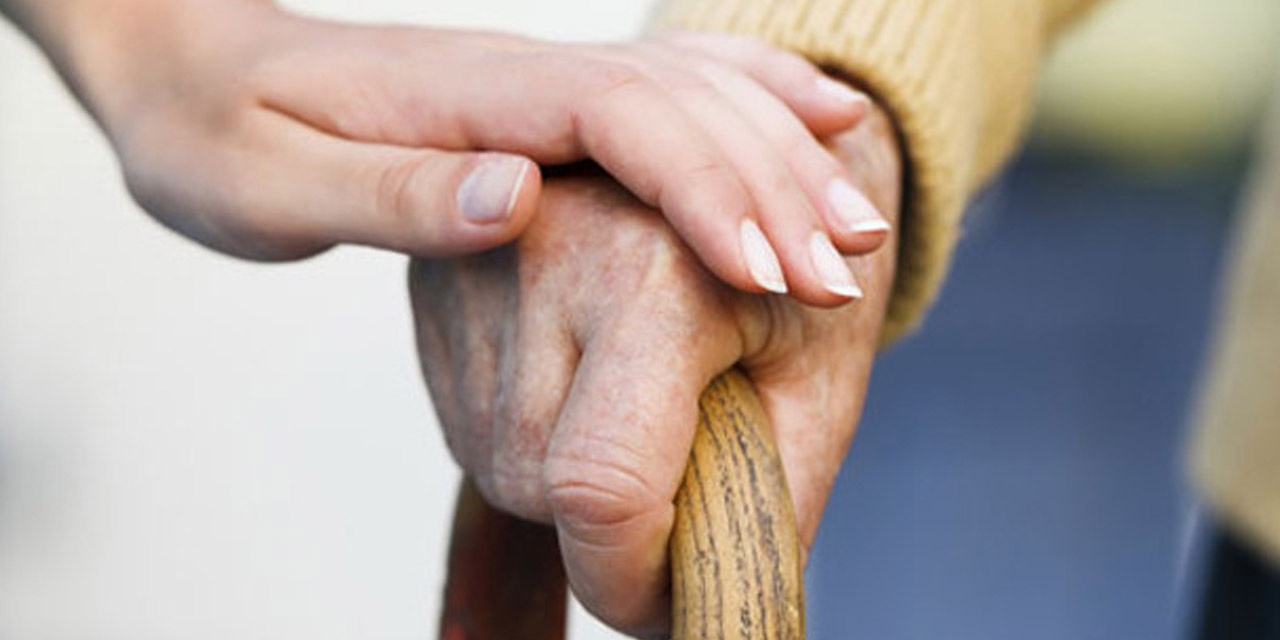
Palliative care is not simply about comfort, it is about supporting people to live as well as possible for as long as possible, maintaining independence, meaningful activity, and emotional wellbeing wherever this is achievable.
For some individuals, this phase may last months or even years, so maintaining routine, connection, and purpose remains incredibly important. People should also be allowed as much freedom as is possible, even if their independence is very limited. This can be something as simple as choosing when and where to do something, or making simple decisions like what to eat.
No matter how you approach a person’s palliative care, it’s vital that you communicate well during every step of the process.
The Importance of Communication in Palliative Care
One of the most important, and often underestimated skills in palliative care is effective, compassionate communication.
Care professionals may be confident in delivering physical care, but without strong communication skills, the overall experience for the person and their family can be significantly affected.
Good communication enables:
Honest, sensitive conversations about care needs and expectations
Shared decision-making and person-centred care planning
Reduced anxiety, fear, and uncertainty
Meaningful support for families before, during, and after bereavement
Transitions into palliative or end-of-life care can be emotional and challenging. Clear, empathetic communication helps people feel respected, informed, and supported throughout.
You will often need to communicate with the family of the person in care. You’ll need to outline the treatment, provide updates on their wellbeing or condition as it progresses, and potentially even provide support after their loved one has passed away. Although the person in care will naturally be the priority, supporting their family is also an important part of your role.
Why Palliative Care Training is Essential
High-quality palliative care training for care home staff is essential to ensure safe, effective, and compassionate care.
While many care professionals gain experience over time, structured training ensures your team:
Understands current UK best practice and guidance
Delivers consistent, high-quality care across your service
Feels confident supporting people with complex needs
Can communicate effectively with individuals and those important to them
Every team member, regardless of role, should have a foundational understanding of palliative care principles so they can work well within the unit, or will have opportunities to provide palliative care in the future if they take that career path.
Our Level 3 Certificate in Palliative Care
Our Level 3 Certificate in Palliative Care is designed for health and social care professionals who want to strengthen their knowledge, skills, and confidence in delivering person-centred care.
This course is ideal for:
Care home staff
Senior care workers
Assistant practitioners
Support workers
While it is not an entry-level course, it revisits essential principles to ensure a strong and consistent foundation of understanding across your team.
Level 3 Certificate in Palliative Care Course Content
The programme aligns with recognised UK frameworks, including CQC standards, Skills for Care, and the Gold Standards Framework, with a strong emphasis on person-centred care and communication.
We cover:
Unit 1: Understanding palliative care
Unit 2: Supporting individual needs in a palliative care context
Unit 3: Supporting physical care needs
Unit 4: Care in the final hours of life and bereavement support
Practical, Flexible Learning for Care Home Teams
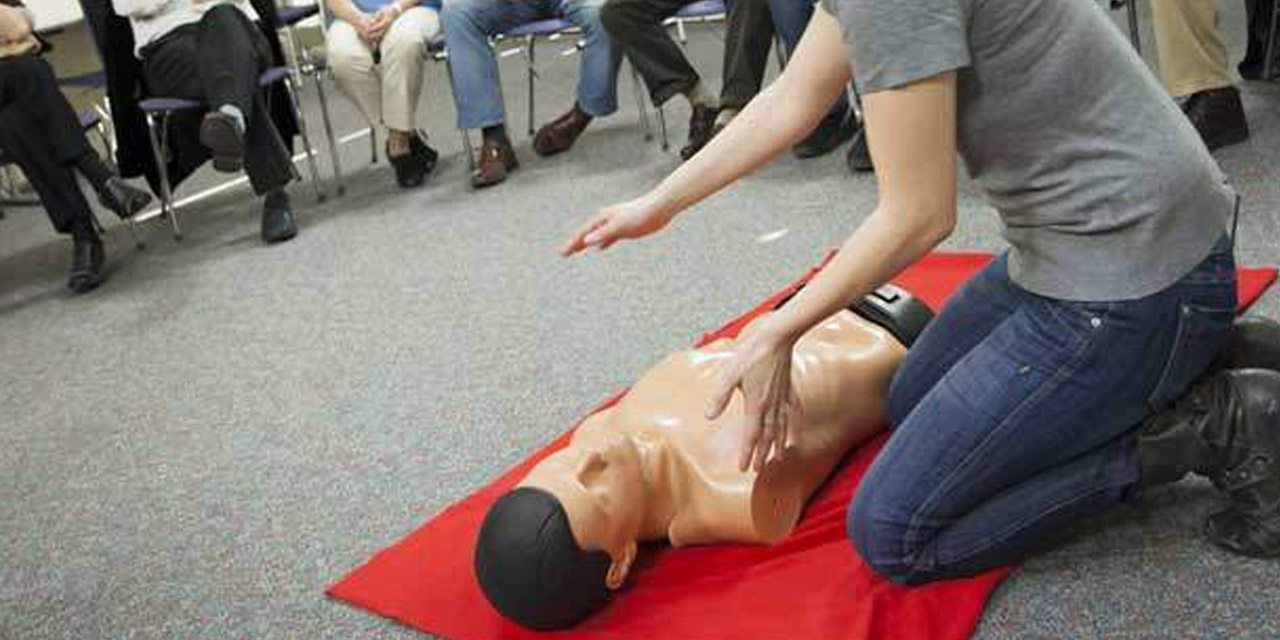
We use a blended learning approach, combining theory with practical, scenario-based learning to ensure knowledge can be confidently applied in real care settings.
Our training is:
Interactive and engaging
Designed for adult learners
Based on real-life care home scenarios
Adaptable to your organisation’s needs
We can tailor training specifically for your service, helping your team work effectively together and deliver outstanding palliative and end-of-life care.
Delivering Outstanding, Person-Centred Care
Providing high-quality palliative care is one of the most meaningful aspects of working in care homes. With the right training and support, your team can make a lasting difference to the lives of people living in your care home and to those important to them.
If you would like to learn more about our palliative care training for care homes, please get in touch, we’re here to support you in delivering the highest standards of care.